Hail does not ask permission. It hits fast, leaves small scars, and keeps quiet until the next rain works those weak points into active leaks. On Rockwall-style masonry homes and commercial buildings across Grand Prairie, roof damage often hides in plain sight. Small dimples in shingles, hairline splits in ridge caps, and bruised membranes on flat sections look harmless the day after a storm. Weeks later, ceilings stain and decking softens.
This guide explains how to recognize hail damage early on a Rockwall roof and on adjacent flat or low-slope sections many mixed-use buildings carry. It also shows how a roofing contractor Grand Prairie property managers trust documents damage for repair or replacement. The goal is simple: find problems before water finds you.
Why hail damage in Grand Prairie behaves differently
Grand Prairie sits in a collision zone of hot, dry air and Gulf moisture. Storm cells grow fast and throw dense hail. Roofs face a rough cycle: high-velocity wind events, intense UV, thermal shock, and repeat hailstorms. That mix bruises asphalt shingles, dents metal components, and stresses flat-roof membranes. Buildings near Joe Pool Lake and the Great Southwest Industrial Park take extra wind pressure that lifts flashing and coping caps. The result is subtle impact points that turn into active leaks after a few heat cycles.
Rockwall roof basics and where hail hits first
“Rockwall roof” often describes homes and buildings with Rockwall stone veneer or similar masonry walls paired with steep-slope roofs, plus small flat sections over porches, add-ons, or mechanical areas. The roof system is usually a blend of materials: asphalt shingles or stone-coated steel on the main slopes, metal flashing where roof meets stone, and TPO or modified bitumen on low-slope tie-ins. Each component shows hail damage differently.
Common hail targets include ridge caps, slopes facing west and north, valleys that funnel hailstones, metal flashings against stone, and flat roof transitions at parapet walls and HVAC curbs. A trained eye moves methodically, starting high and working down to edge metals and gutters.
Early visual signs a homeowner can safely check from the ground
A ladder-free scan after a storm helps spot red flags. Park in the street. Use binoculars if available. Look for dark distortions on shingle surfaces, quarter-sized bruises on ridge caps, small piles of granules in downspouts, crooked or lifted metal drip edge, and dents in gutters or downspouts. If gutters show fresh dents, expect roof impacts. Do not climb a ladder in wet or windy conditions. Impact marks can be slick and shallow. If in doubt, wait for an inspection.
What hail does to asphalt shingles on Rockwall roofs
Hail crushes granules into the mat and sometimes fractures the fiberglass. The shingle may not break through on day one. Instead, the damaged spot loses granules over weeks, exposing the asphalt to UV, and the mat cracks under heat expansion. That becomes a slow leak around nails or along lifted edges. On ridge caps, hail often splits the cap along the bend line. Look for rough circles with a soft center, granule loss around the mark, or a slight shine where asphalt shows through.
Trade-off to consider: a few isolated hits in random areas may not justify a full replacement. Dense, consistent hits in a test square often do. A roofing contractor Grand Prairie insurers recognize will grid test areas and document counts per square to match carrier guidelines.
Metal and stone-coated steel details that give damage away
Many Rockwall-style builds use metal for accents and transitions. Hail leaves visible dimples on soft metals: vent caps, turbine vents, flashing, chimney saddles, and drip edge. These cues help confirm impact intensity. Stone-coated steel panels can lose granules at hit points, exposing a lighter underlayer. Damaged coating affects corrosion resistance over time. One or two marks are often cosmetic. Clusters at seams or panel laps can open paths for water.
Flat and low-slope sections: the hidden leak risk
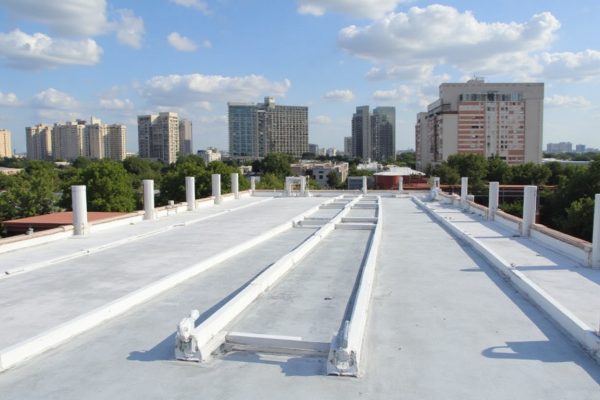
Mixed-slope roofs near masonry walls often include small TPO or modified bitumen decks. Hail can bruise TPO without puncturing it. The membrane looks fine but the insulation below compresses. Water then migrates laterally and appears far from the impact point. Seams, T-joints, and flashing at HVAC curbs and parapet walls are common failure zones after hail and wind.
An experienced commercial roofing contractor inspects these sections with an infrared thermal camera at dusk or dawn, when wet insulation shows heat differentials. This avoids destructive cuts. If moisture shows under the membrane, targeted repairs or partial replacement prevents structural deck damage.
Where masonry meets roof: stone-to-roof transitions
Rockwall masonry looks solid, but the joint where stone meets roof depends on proper flashing. Hail can dent counterflashing and open hairline gaps along mortar lines. Wind then drives water behind the flashing, and it surfaces in the attic or along interior walls. A careful inspection checks step flashing overlap, counterflashing seating in mortar joints, and sealant that hardened and cracked under UV. Minor roofer Grand Prairie TX sealant refreshes are not enough if hail bent the metal. Replace damaged pieces to keep water out.
The timeline: how long before a bruise becomes a leak
After a major storm in North Texas, a hail bruise can stay dormant for a few weeks to a few months. Heat accelerates damage. The window for strong insurance documentation is best within 10 to 30 days, while impact marks are fresh and supporting evidence, like dented gutters and soft metals, matches the event date. Delay invites complications: debris hides marks, foot traffic smears granules, and UV changes the roof’s appearance.
How SCR, Inc. General Contractors confirms hail damage on mixed roof types
A thorough inspection follows a set path. It starts at the ground with building elevations, gutters, downspouts, window screens, and fence caps for collateral impact. It moves to ridge caps, slopes, and valleys with chalk test squares to record hits. It checks all metal penetrations, chimney and wall flashings, and roof-to-stone transitions. For flat sections, it uses an infrared thermal camera to detect subsurface moisture in ISO board insulation. It tests seams, probes around HVAC curbs and coping caps, and verifies drain flow at scuppers and downspouts.
On commercial roofs, SCR documents membrane bruising, punctures, blistering, wind blow-offs, and signs of ponding water. It also assesses membrane shrinkage that pulls at flashings and causes splits at corners. This is common after repeated heat cycles in Grand Prairie.
What commercial property managers in Grand Prairie should watch
Industrial and logistics buildings near the Great Southwest Industrial Park, Traders Village, and the Grand Prairie Municipal Airport face intense roof exposure. Large, flat roofs collect top-rated roofing contractor Grand Prairie hail across wide areas, so damage density matters more than single hits. Managers should look for changes in HVAC performance caused by roof leaks around curbs, stained ceiling tiles under skylights, ponding near clogged roof drains, and uplifted edges on mechanically fastened TPO near windward walls.
Facilities close to EpicCentral, Lone Star Park, and the retail corridors in the 75052 zip code also see heavy foot traffic on roofs for service work. After a storm, footfalls on bruised membranes can push damage over the edge.
How to know if hail damage justifies repair or replacement
Think in tiers. Cosmetic dents on soft metals rarely leak. Isolated shingle bruises and a healthy deck often call for spot repairs. Split ridge caps and fractured shingles across a slope point to a section replacement. Flat roof systems with widespread moisture in the insulation need targeted remediation or a system upgrade, such as a new TPO layer or a silicone restoration over a dry, stable deck.
Energy and warranty goals matter. A Gaco silicone restoration can extend life by 15 to 20 years on a dry, eligible roof with intact seams and sound adhesion. If moisture mapping shows widespread wet ISO, replacement becomes more cost-effective and safer long term.
Insurance reality in Dallas and Tarrant counties
Carriers expect evidence. Good files include date-stamped photos, test squares, counts per square, collateral hits on gutters, and brand-specific documentation for the roof system. For commercial assets, a drone flight captures global conditions, while infrared scans pinpoint trapped moisture. Large-loss claims move faster with clean, organized proof and clear scopes that reflect code upgrades and manufacturer standards.
SCR, Inc. General Contractors operates as a licensed general contractor with decades of large-loss experience across Grand Prairie and the broader DFW Metroplex. That includes managing claim timelines, code compliance, and NDL warranty requirements with manufacturers.
Residential Rockwall roofs: small cues that predict big leaks
On homes in Westchester, Mira Lagos, High Hawk, Grand Peninsula, Dalworth Park, and Avion Village, look closely at ridge lines, valleys, and any area where the roof meets stone. Hail scars on shingles look darker after rain as the asphalt wets out. Valleys collect the most hits. Metal chimney caps tell the story: fresh denting means check the surrounding courses. If a previous patch shows, test it. Patches often fail after a second hail event.
Homes near Joe Pool Lake face stronger gusts. After hail and wind, ridge caps may open at the ends, and step flashing can shift under the siding or stone. These are small gaps that allow driven rain inside.
Commercial roofs: systems and failure points to check after hail
Flat and low-slope roofs in the Great Southwest Industrial Park rely on membranes and details. Hail can bruise TPO and PVC, dimple metal roof panels, and crack aging EPDM. Watch for punctures near walkway pads, splits at field seams, tenting at corners, deflected coping caps along parapet walls, and scuppers with new deformation or blockages.
Ponding water compounds hail damage. Standing water magnifies UV, softens aged membranes, and presses into bruised insulation. If water remains after 48 hours, plan a corrective action. Options include adding tapered insulation, improving drain sumps, or restoring the surface with a silicone system once the substrate is dry and sound.
Pro-grade tools that change the outcome
Infrared thermal cameras reveal moisture beneath the membrane without cutting. Drones document impact fields and hard-to-reach details on large facilities. Industrial airless sprayers apply silicone coatings at specified mil thickness to meet NDL warranties. Moisture meters confirm deck dryness before restoration. These tools reduce guesswork and prevent unnecessary tear-offs when restoration is viable.
System choices after hail: repair, restore, or replace
Shingle slopes with limited impact damage respond well to section replacement using matching profiles from major brands such as GAF and Owens Corning. For flat roofs, TPO replacement from Carlisle SynTec or Firestone offers strong welds and wide-sheet efficiency. Where the deck is dry and seams are stable, a Gaco silicone restoration creates a reflective, seamless surface that resists UV and copes with incidental ponding. Metal roofs with hail dents often accept a coating system over tightened fasteners and reinforced seams, or, when dents affect panel laps, selective panel replacement.
Budget, disruption tolerance, and warranty goals guide the call. Many logistics operators in 75050 and 75051 favor low-disruption restorations that allow zero downtime. SCR phases work around production schedules to keep lines running.
Why a local, code-literate team matters in Grand Prairie
Grand Prairie spans Dallas, Tarrant, and Ellis counties, each with its own permitting and inspection nuances. Local wind uplift requirements, edge metal standards, and fire ratings influence system design. Familiarity with logistics access, night work needs, and safety around commercial HVAC units and solar arrays shortens project timelines and reduces risk.
SCR maintains OSHA-certified crews, BBB A+ standing, and relationships with manufacturers to secure NDL warranties. That combination supports both immediate hail recovery and long-term asset planning.
A quick, safe homeowner check after hail
- Look for dents on gutters, downspouts, and metal vents as first confirmation. Scan ridge caps and valleys for dark impact marks or granule loss. Check for granules at the base of downspouts and in splash blocks. Walk the attic during daylight and after a rain to spot fresh stains. If you see more than a few hits in any area, schedule a pro inspection.
A facility manager’s triage plan for flat roofs
- Document the storm date and take wide and close photos the same day. Verify drains, scuppers, and downspouts are clear and flowing. Mark suspect membrane areas for infrared scanning at dusk. Inspect HVAC curbs, parapet coping, and skylight frames for movement. Call for a drone-assisted assessment to map damage density.
What to expect from SCR, Inc. during a hail assessment
The team begins with a roof interview: building age, prior repairs, warranty status, leak history, and storm timing. Next comes a collateral sweep for corroborating impact. Technicians grid test slopes and detail metals. On flat roofs, they perform infrared scans to locate wet insulation, then confirm with targeted core cuts only if needed. Findings come with photo documentation, hit counts, moisture maps, and a clear scope that outlines repair, restoration, or replacement paths. If an insurance claim is appropriate, SCR’s large-loss specialists guide communications with the adjuster, supply evidence, and meet on site.
For silicone restorations, SCR specifies surface prep, adhesion tests, seam reinforcement, and final mil thickness to qualify for 15 to 20-year NDL warranties. For TPO replacements, the team installs to manufacturer standards using systems from GAF, Carlisle SynTec, Firestone, Johns Manville, Mule-Hide, or Sika Sarnafil for PVC as conditions warrant.
Targeted fixes that stop leaks before they start
A few upgrades prevent repeat failures. Reinforced HVAC curbs keep water out where mechanical vibration weakens seams. New coping caps reduce uplift along parapets. Properly sized scuppers and downspouts improve drainage and reduce ponding. Walkway pads protect membranes near service paths. On shingle roofs, upgraded ridge caps and new step flashing at stone transitions anchor the system against wind and water.
Local response across Grand Prairie
SCR, Inc. supports facilities near EpicCentral, Texas Trust CU Theatre, and throughout the Great Southwest Industrial Park with 24/7 emergency leak repair and rapid dry-in. Residential and multi-family teams service Westchester and Mira Lagos, while crews cover logistics centers in 75050 and retail corridors in 75052. Nearby Arlington, Irving, Dallas, Fort Worth, Cedar Hill, Mansfield, and Euless are within the dispatch radius for storm events that spill across city lines.
Brands and warranties that hold up in Texas weather
Manufacturer status matters when hail testing and warranties come into play. SCR installs systems backed by GAF Master Elite, Carlisle SynTec, Firestone, Owens Corning, Mule-Hide, and Johns Manville. For high-performance restorations, Gaco silicone, Sika Sarnafil PVC, Everest Systems, and Kemper System provide strong options for unique conditions. The team secures NDL warranties when design and installation meet specifications, giving owners reliable coverage over the long haul.
The cost of waiting versus the value of early action
A small bruise that costs almost nothing to seal today can turn into wet insulation, deck repairs, and interior finishes later. On commercial roofs, trapped moisture invites mold, rusts fasteners, and shortens the life of the membrane. On shingle roofs, delayed action often forces full slope replacement when isolated repairs would have worked if handled early. Early documentation also aligns with insurance timelines, which protects your budget.
Ready for a professional opinion
Hail does not have to end in guesswork or repeat leaks. For a roofing contractor Grand Prairie property owners rely on, SCR, Inc. General Contractors provides drone-assisted inspections, infrared moisture mapping, and clear scopes that fit the building and the budget. Schedule a comprehensive roof inspection to document hail damage for an insurance claim or to determine if your roof qualifies for a silicone restoration instead of a tear-off.
Grand Prairie’s Authority in Commercial Roofing and Restoration stands ready day or night. Protect the asset. Keep operations running. Get a professional roof assessment today.
SCR, Inc. General Contractors provides roofing, remodeling, and insurance recovery services in Grand Prairie, TX. As a family-owned company, we handle wind and hail restoration, residential and commercial roofing, and complete construction projects. Since 1998, our team has helped thousands of property owners recover from storm damage and rebuild with reliable quality. Our background in insurance claims gives clients accurate estimates and clear communication throughout the process. Contact SCR for a free inspection or quote today.
SCR, Inc. General Contractors
440 Silver Spur Trail
Rockwall,
TX
75032,
USA
Phone: (972) 839-6834
Website: https://scr247.com/, Storm damage roof repair
Map: View on Google Maps
Social Media: Yahoo Local